Disabilities in Equestrianism
For many people, horses are more than a hobby or sport. They are calm in chaos, confidence during difficult moments, and connection when the world feels isolating.
Yet despite the equine world being life-changing for so many people, disability, mental health conditions and hidden struggles are still often misunderstood or invisible within horse spaces.
In the UK alone, around 16.8 million people — 1 in 4 people — live with a disability. Disability is far more common than many people realise, and many conditions are not immediately visible.
At the same time, disabled people are almost twice as likely to be physically inactive due to barriers around access, confidence, cost and inclusion.
The equine world has the power to change that.
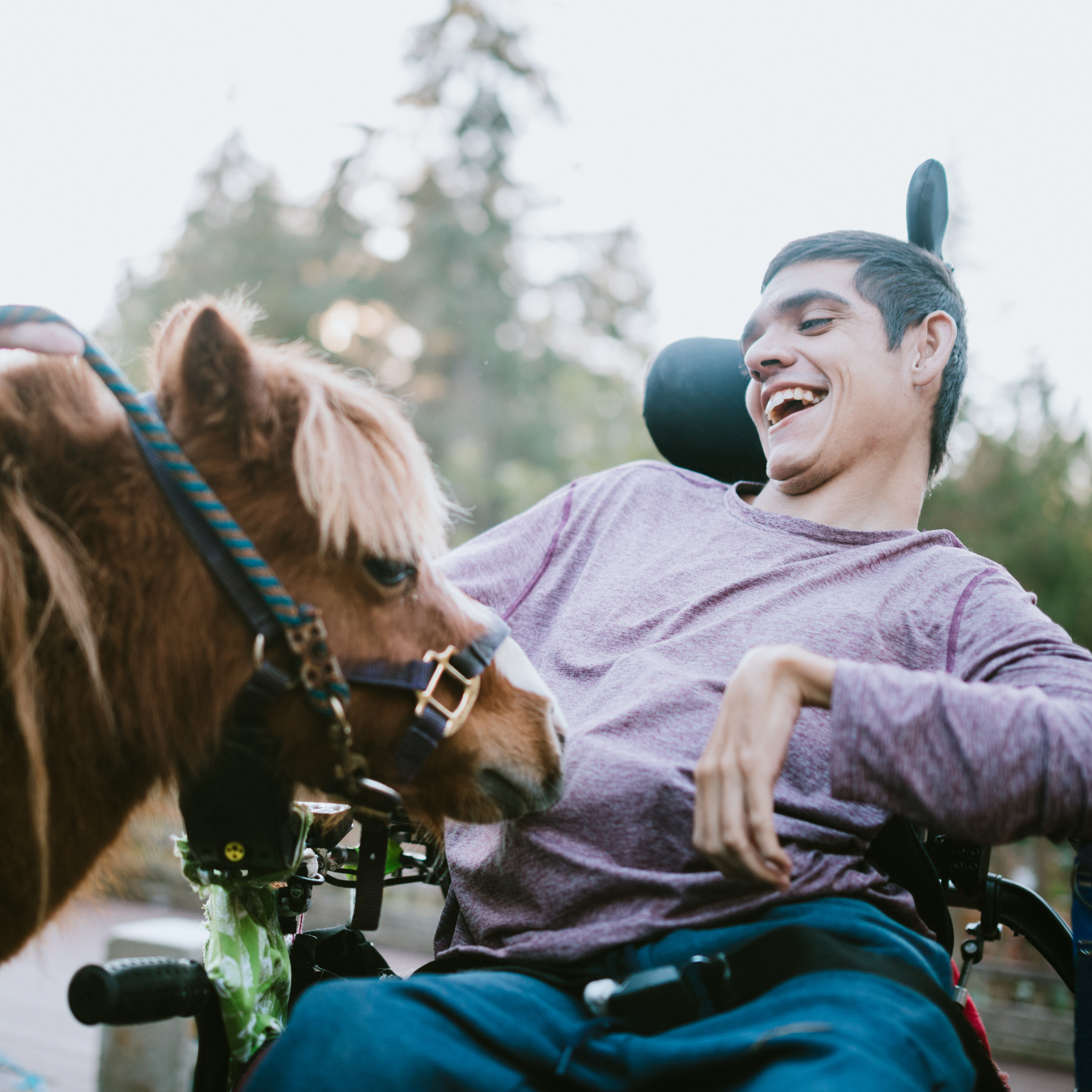
Research from the Riding for the Disabled Association shows that more than 39,000 disabled children and adults across the UK benefit from equine-assisted activities every year, improving confidence, wellbeing, independence and social connection.
Studies into riding and equine-assisted therapy have also shown positive effects on:
- anxiety and depression
- confidence and self-esteem
- loneliness and social isolation
- emotional regulation
- physical strength and mobility
- routine and sense of purpose
For some people, horses are the only form of physical activity they feel able to do. Nearly 40% of riders surveyed said equestrian activity was their only form of exercise.
The Misconceptions Around Disability in Equestrian Spaces
One of the biggest misconceptions is that disability always “looks obvious”.
Many equestrians live with conditions people cannot immediately see:
- epilepsy
- anxiety disorders
- autism
- ADHD
- PTSD
- chronic illness
- chronic pain
- neurological conditions
- learning disabilities
- mobility conditions
Some riders may need extra support, breaks, adaptive equipment or simply understanding.
Another misconception is that disabled riders are “inspirational” simply for participating. Many para riders and disabled equestrians have spoken about wanting to be recognised for their skill, partnership and dedication — not treated as charity stories.
There is also a belief that horses are only for confident, experienced or able-bodied people. In reality, horses connect with people from every background, age and ability level.
You do not need to “fit the mould” to belong around horses.
Famous Equestrians Who Challenged Expectations
The equestrian world has always included riders who quietly challenged assumptions about disability, difference and resilience.
Liz Hartel
Liz Hartel won an Olympic silver medal in dressage after being partially paralysed by polio, becoming one of the first disabled women to compete successfully against non-disabled riders at Olympic level.
Lee Pearson
One of Britain’s most successful Paralympians, Lee Pearson has spoken openly about disability representation in equestrian sport and the importance of being treated as an athlete first.
Natasha Baker
Paralympic champion Natasha Baker has cerebral palsy and has become a leading advocate for accessibility and inclusion within equestrian sport.
Sophie Christiansen
Sophie Christiansen, who has cerebral palsy, became a multiple Paralympic gold medallist while also challenging stereotypes about disability and independence.
Why Beside Horses Exists
At Beside Horses, we believe horses can help people reconnect with themselves and with others.
Not everybody arrives confident.
Not everybody arrives healthy.
Not everybody arrives feeling like they belong.
But horses have a way of meeting people without judgement.
Whether someone is living with disability, anxiety, isolation, grief, burnout, low confidence or simply feeling out of place, we believe there should be welcoming equine spaces where everyone can feel safe, included and valued.
Because the equine world should belong to more people — not fewer.